

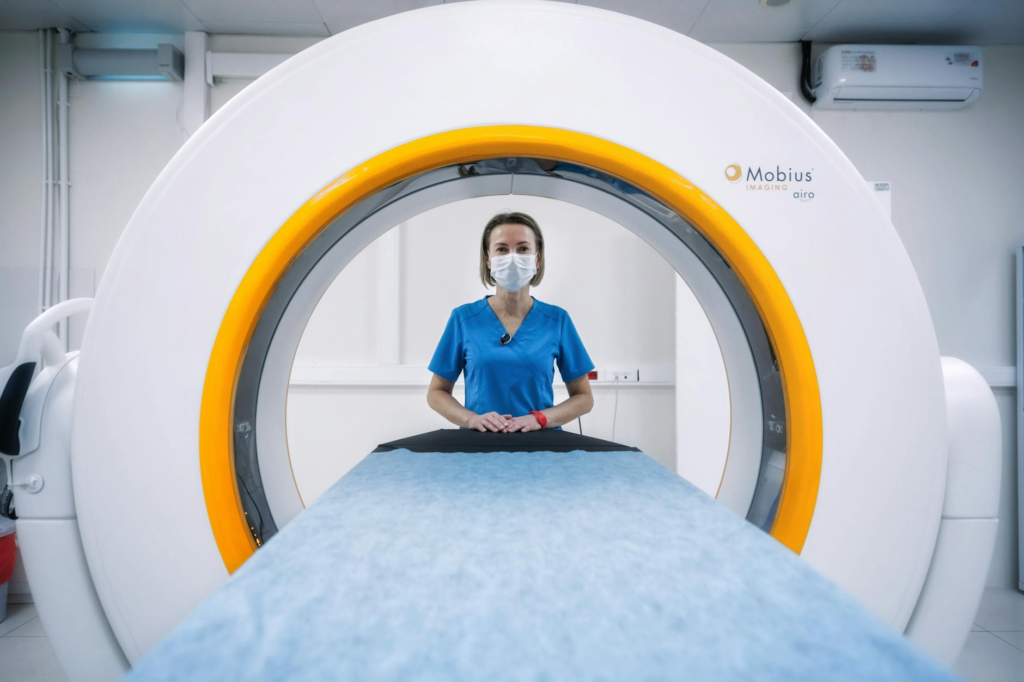
The Rising Demand for Radiology Professionals
California’s healthcare sector consistently grapples with expanding patient loads, evolving imaging technologies, and an ever-present need for specialized expertise. Radiology stands out as an essential discipline, with imaging services central to diagnostics and treatment. As a result, institutions big and small often seek efficient ways to secure skilled radiology staff. This brings the dilemma of radiology staffing vs direct hire. Recent advances in diagnostic applications, such as digital mammography or sophisticated MRI procedures, necessitate dedicated teams trained in state-of-the-art systems. These developments push hospitals to reevaluate personnel strategies to handle both current patient requirements and foreseeable future demands.
The choice between an outsourced staffing option and a permanent, in-house approach is rarely simple. Administrators must juggle issues like budgeting for long-term salaries versus temporary coverage, ensuring compliance with detailed state regulations, and cultivating a unified culture. Clarity on these factors fosters smoother hospital operations and reinforces an environment where patient outcomes take precedence.
Comparing the Financial Dynamics
For many hospital leaders, costs shape key decisions. When looking at radiology staffing vs direct hire, outsourced radiology staffing, expenses are typically more fluid. Temporary professionals can be brought in as demand fluctuates, thereby avoiding the fixed overhead linked to permanent payroll, benefits, or retirement packages. This elasticity proves valuable when varying patient volumes or new imaging service lines strain staffing resources. For instance, if a hospital expects an uptick in CT scans during cold-weather months, an outsourced arrangement allows administrators to pay purely for labor hours worked, reducing long-term financial commitments.
On the other hand, direct hires involve more substantial upfront investment. From recruitment campaigns and interviews to onboarding and benefits, the costs build quickly. Yet these permanent roles also nurture long-term stability, potentially lowering per-hour costs over time as employees settle into the institution and refine their skills. Larger facilities may find it worthwhile to absorb these costs. After all, establishing a top-tier radiology department can enhance the hospital’s reputation and attract patients. But smaller clinics often need to weigh whether the overhead of salary and benefits might be too burdensome if patient volumes dip or if specialized staff are underutilized during slower periods.
Speed and Efficiency in Onboarding
Hospitals in California and beyond prize quick turnaround for radiology staffing. When a lead technologist departs unexpectedly or a specialized MRI expert goes on leave, the gap in services can affect patient wait times and overall throughput. Partnering with staffing organizations can shorten the hiring cycle considerably. By leveraging a pre-screened pool of candidates, hospitals can secure qualified professionals far faster than if they were to advertise, review applications, and conduct multiple interviews in-house. In some scenarios, positions are filled in a matter of days, ensuring minimal disruption to clinical services.
However, direct hiring provides a slower yet more purposeful process. Thorough interviews and deeper assessments of each candidate’s background, certifications, and cultural fit can reinforce the hospital’s mission. This careful vetting may yield an employee who is an excellent long-term fit, bolstering team morale and continuity. The drawback is that positions can remain vacant for extended stretches—particularly if the pool of specialized talent is limited. For small hospitals or remote facilities, such gaps can disrupt vital radiology services. Employing a hybrid approach—temporarily contracting specialists while searching for ideal permanent staff—can keep imaging schedules on track while still building a stable in-house team.
Minimizing Compliance Risks
Strict legal and regulatory frameworks govern radiology in California, from mandated licensure to patient confidentiality protocols. Partnering with specialized staffing sources can alleviate some of these pressures, as qualified recruiters often pre-verify licensures, certifications, and background checks. This reduces the administrative burden on the hospital’s internal HR. Moreover, the staffing provider frequently takes on the role of ensuring continuous compliance, including verifying that professionals maintain their credentials and fulfill ongoing education standards.
Conversely, those who hire directly shoulder the responsibility for maintaining compliance. While many hospitals have compliance teams and committees, they must invest time and money to monitor shifting regulations, whether correlated with state law changes or evolving best practices tied to radiology equipment. In a small hospital, personnel in charge of compliance often handle multiple duties, creating potential for oversight. Regularly reviewing processes, training fresh hires on safety standards, and scheduling continuing education for existing staff can mitigate risk but require substantial institutional commitment.
Crafting a Well-Balanced Team Culture
A cohesive team dynamic can have a profound impact on patient care, staff retention, and organizational morale. Permanent employees often find it easier to connect with the overall mission, forging lasting relationships across clinical departments. Radiologists might collaborate with medical-surgical nurses, and imaging technicians may partner with administration on initiative planning. These bonds can spark synergy that translates directly into more efficient workflows and better patient experiences.
Yet, an outsourced model isn’t necessarily at odds with team spirit. Rotating professionals can bring fresh insight, prompt new approaches to common challenges, and blend with in-house staff intermittently when quick coverage or niche expertise is required. The trade-off is that rotating personnel might not have the time needed to immerse themselves in an organization’s culture or forging robust relationships with permanent employees. Hospitals must assess whether consistently replacing individuals disrupts cohesion or if the infusion of new perspectives outweighs those disruptions.
Lessons from Radiology for IT Departments
The same logic shaping decisions in radiology often translates seamlessly to healthcare IT. With the advent of telehealth offerings, electronic medical records, and AI-driven diagnostic tools, specialized IT professionals have become equally pivotal for modern healthcare systems. Hospitals frequently look for ways to source software engineers, data analysts, and cybersecurity experts without overextending budgets.
Outsourced IT staffing, similar to radiology coverage, can ensure immediate access to professionals skilled in emerging technologies. If an institution launches a telemedicine platform or invests in complex data analytics, credentialed specialists can ramp up quickly and then phase out once the project concludes. Conversely, direct hiring fosters deeper collaboration over time, with IT staff acquiring an intimate knowledge of the facility’s operational nuances and technical needs.
Smaller healthcare establishments, especially those situated in rural areas, may face recruitment hurdles for in-demand IT roles. In these instances, a strategic balance—outsourcing for intermittent tasks while building a skeleton internal IT group—can keep technology initiatives going without straining resources.
Insights for Smaller Facilities
Although mega-hospital networks might have the capital to invest heavily in permanent teams, smaller hospitals and clinics can still excel by proceeding strategically. Short-term radiology personnel delivered through a specialized staffing organization can give immediate coverage, bridging any gap until a permanent hire is found, or if additional experts are only needed for a particular imaging program. This adaptability helps smaller operations maintain essential services without draining their budgets.
For those that choose to hire directly, finding the right cultural match becomes paramount. A small emergency department or a specialized imaging center thrives when professionals share an organizational mindset and build rapport quickly. While the process might take longer than a swift staffing solution, the result—a dedicated team in sync with the mission—can drive patient satisfaction and reduce staff turnover.
Establishing a Future-Focused Strategy
Deciding between outsourced staffing or direct hiring goes beyond simply filling vacancies. Each approach can influence clinical workflows, employee engagement, and patient satisfaction. The smartest move often involves periodically reassessing the hospital’s service demands, budget flexibility, and upcoming technological changes. In radiology, this might involve monitoring potential modifications in diagnostic guidelines, grappling with new imaging tools, or preparing for expansions in outpatient services. In IT, watchful eyes should remain on software upgrades, cybersecurity threats, and the rise of remote patient monitoring.
Administrators who understand how to balance agility with stability can better navigate the rapid shifts in both clinical care and digital innovation. Whether an institution chooses a fully outsourced structure, constructs a permanent internal unit, or adopts a hybrid model, ongoing evaluation is crucial. With the right foresight, healthcare facilities keep pace with patient demands, evolve alongside new technologies, and proactively manage compliance obligations.
In the grand scheme, the decision is as much about philosophy as dollars. Some organizations prize continuity and a deeply rooted culture, while others prioritize managing costs and responding swiftly to changeable patient volumes. When these choices align with overarching goals, each department—radiology or otherwise—can thrive in a high-pressure healthcare landscape.
Global Service Resources has long assisted hospitals in assembling resilient teams, addressing both the immediate need for specialized radiology coverage and the pursuit of long-standing, in-house excellence. By thoughtfully weighing the pros and cons of each staffing model, California healthcare institutions can drive meaningful patient outcomes, fortify compliance efforts, and remain ready to adapt in a dynamic field.
