

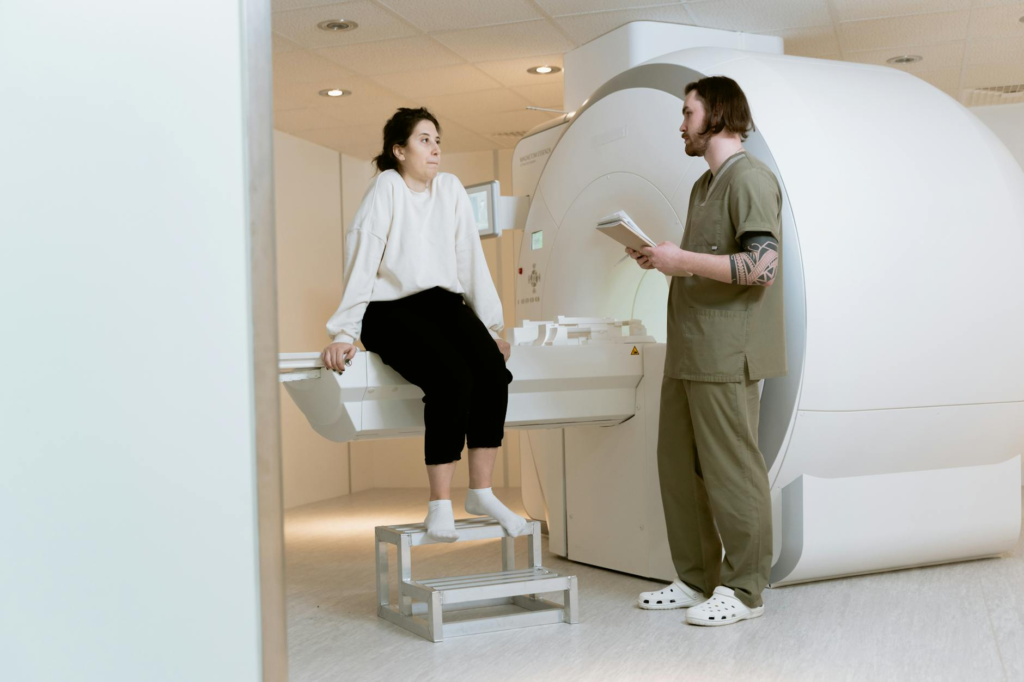
Specialized imaging departments offering computed tomography (CT), magnetic resonance imaging (MRI), and interventional radiology (IR) services are critical pillars of modern healthcare. They help detect, diagnose, and treat a wide range of conditions, often enabling non-invasive or minimally invasive procedures. Yet maintaining sufficient personnel in these areas can be a balancing act between operational targets, budget limitations, and the pursuit of exceptional patient care. Finding capable radiologic technologists, imaging experts, and supporting IT personnel requires strategic planning to align the right mix of skill sets with patient volume and organizational needs.
Established in 1993 and headquartered in Burbank, California, Global Service Resources has spent decades understanding how to align staffing solutions with the specialized requirements of healthcare and IT. The insights gained from these years of expertise reveal how proper workforce planning leads to optimized patient throughput, reduced burnout, and effective resource utilization. Below, you’ll find a thorough exploration of the considerations healthcare employers face when determining how to staff their CT, MRI, and IR departments in a cost-effective yet patient-focused manner.
Examining the True Range of Imaging Workforce Expenses
While the most immediately visible cost for specialized imaging staff is salary, numerous additional factors drive up the total price tag. From professional liability insurance to licensing fees, and from advanced continuing education courses to specialized credentials, these elements combine to form a comprehensive budget footprint. The specific requirements for certification—such as a technologist’s license to operate MRI equipment—can increase investment, particularly if employers assist promising candidates in achieving these qualifications.
For instance, hiring a fresh graduate for a CT role involves costs that extend beyond base pay. Mentoring and training are necessary before the employee becomes fully operational. The same concept applies to IT professionals who handle the sophisticated software instruments driving imaging technologies and ensure seamless data management. Each onboarding phase can bring unanticipated expenditures, like supplementary simulation tools, specialized online modules, or short-term drop in department efficiency while the new hire settles in. Thoroughly assessing these hidden or indirect costs leads to more accurate projections and ultimately helps in meeting financial goals without compromising patient care.
Crafting a Targeted Recruitment Process
In the era of broad digital job boards, casting a wide net may seem advantageous. However, filling specialized positions demands a more precise approach. Simply sifting through general resumes is time-consuming, and many potential candidates may lack the particular competencies needed in advanced imaging roles. Instead, healthcare employers can refine recruitment strategies to connect with qualified personnel more effectively. Examples include joining niche healthcare networks, engaging with local medical associations, or partnering with academic institutions that offer diagnostic imaging programs.
Likewise, collaboration with IT-focused communities can expedite the search for individuals who excel in software engineering, data analytics, or cybersecurity relevant to imaging operations. Tailoring the job description’s language to highlight career advancement opportunities, cutting-edge technology, and benefits like professional development support will also attract the right professionals. More targeted recruitment not only accelerates hiring but also ensures a higher retention rate because new hires have a clear understanding of departmental priorities and growth possibilities.
Flexibility to Match Shifting Demands
Fluctuations in patient census, seasonal changes in procedure volumes, and the introduction of new imaging protocols all influence staffing requirements. A rigid model purely relying on full-time hires may result in overstaffing during lulls and understaffing in high-demand seasons. Bringing in per diem technologists or exploring temp-to-hire arrangements can be vital when new imaging services are in a pilot phase or when patient volume temporarily spikes. This flexibility ensures that imaging departments avoid significant operational disruptions, as resources can be scaled up or down more easily.
Some organizations also leverage remote-consulting radiologists and part-time IT support for short-term projects, minimizing overhead. Such a blend of personnel structures provides agility without asking for permanent commitments in areas that might fluctuate. The end result is a more versatile team configuration that maintains quality metrics while balancing cost efficiency.
Cultivating Ongoing Professional Growth
Recruitment alone cannot guarantee success if an employer overlooks the importance of continual learning and professional development. Imaging and IT technologies evolve rapidly, and what’s cutting-edge today could be standard practice tomorrow. By investing in continuous education—whether through tuition reimbursement, sponsoring conference attendance, or funding specialized certifications—healthcare facilities help their teams stay in sync with the latest advancements.
Dedicated learning sessions boost staff engagement, too. Radiologic technologists are more likely to remain loyal if they see clear avenues for upgrading their skill sets, such as learning new IR techniques or mastering advanced 3D CT reconstruction processes. An environment that prioritizes knowledge-sharing and skill enhancement reduces turnover, a critical aspect of trimming long-term staffing expenses. Ultimately, these retention-focused programs nurture a solid culture of expertise and trust, benefiting both caregivers and patients.
Harnessing Technology for Effective Scheduling and Workflow
Modern software systems designed for staff scheduling can drastically eliminate guesswork by matching patient appointment data with employee availability, technical proficiencies, and even licensing status. For example, if an MRI technologist is cross-trained to perform IR exams, the platform can auto-assign shifts that make optimum use of this dual skill set, reducing coverage gaps. Apps and web-based interfaces allow real-time updates, ensuring that last-minute absences or emergencies receive immediate attention. Additionally, advanced analytics—and even predictive algorithms—enable departments to forecast patient volume spikes, letting leadership proactively schedule extra personnel or shift coverage as needed.
In smaller clinics where administrative resources are lean, integrated platforms that connect scheduling, credential tracking, and payroll can streamline administrative burdens. The technology also supports IT teams in diagnosing system bottlenecks or security vulnerabilities before they escalate. By merging departmental operations with robust digital tools, leaders can maintain a continuous pulse on staff utilization, ensuring the right professional is in place at the right time.
Safeguarding Well-Being to Curb Burnout
Burnout is a pressing concern for healthcare workers who spend long hours dealing with complex procedures and high patient volumes. Skilled imaging professionals, including IR technologists, often balance time-sensitive procedures with the emotional demands of interacting with patients during vulnerable moments. Overburdened schedules and insufficient downtime can result in higher turnover and, subsequently, increased recruiting costs. A multifaceted approach to prevent burnout might include cross-training employees so they can switch tasks, guided mindfulness sessions to help them decompress, or structured rotating shifts that evenly distribute duties.
Periodic check-ins and the opportunity to voice concerns can further enhance job satisfaction. Employers who adopt a culture that truly listens—and offers constructive solutions—often see improvements in morale and patient satisfaction. Addressing burnout early is essential for building a resilient, high-performing team that delivers consistent results.
Mapping Out a Future-Ready Staffing Blueprint
Preparing for long-term success in CT, MRI, and IR staffing involves a broader strategy that goes beyond momentary hiring surges. Employers need to anticipate forthcoming challenges—technological shifts, regulatory updates, or leaps in imaging innovation—and adjust staffing plans accordingly. Small and large institutions alike can benefit from mapping out a timeline that outlines milestones such as incorporating an advanced MRI suite or adopting a new data encryption system for secure patient file transfers.
By embedding both clinical growth goals and IT infrastructure upgrades into a unified roadmap, healthcare providers stand a better chance of offering cohesive, innovative services. Prospective employees generally favor workplaces that demonstrate a forward-looking outlook, which can enhance your ability to attract motivated professionals hungry for growth opportunities. Moreover, a well-structured plan mitigates last-minute budget headaches and fosters a consistent approach to both recruiting and retaining valuable talent.
Next Steps
Crafting a robust staffing model for CT, MRI, and IR departments hinges on more than just filling open positions. It calls for the strategic alignment of resources, an adaptable hiring strategy, continuous skill-building, and a supportive environment that prevents burnout. By examining the full scope of direct and indirect costs and prioritizing professional development, healthcare facilities can balance budgets while still offering top-tier care.
For nearly three decades, Global Service Resources has provided healthcare and IT staffing solutions designed around these fundamental principles—recognizing that a well-equipped team has the power to transform patient outcomes. As you move toward a more resilient and forward-thinking staffing strategy, these insights can inform the framework needed to optimize both personnel investment and patient satisfaction. Ultimately, when organizations invest thoughtfully in their imaging workforce, they create a cycle of success that benefits staff, healthcare leadership, and most importantly, the patients who trust them with their care.
