

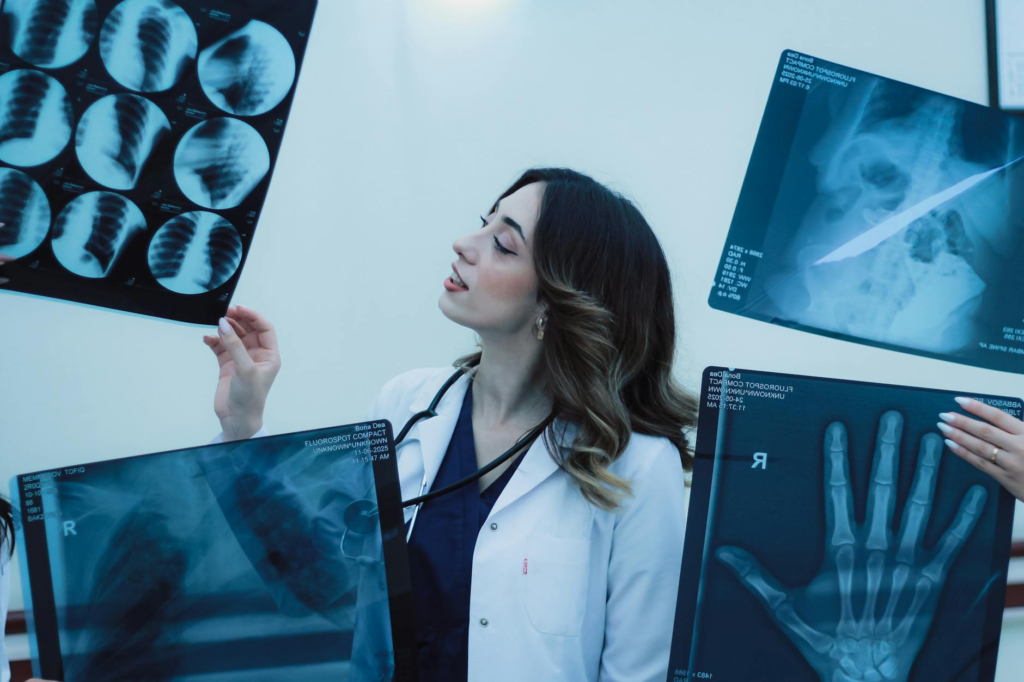
Radiology services are a vital component of contemporary healthcare, providing crucial diagnostic insights that guide patient treatment plans in diverse medical specialties. As imaging demand continues to escalate, departments must craft a proactive approach to staffing that preserves efficiency without overburdening team members.
The focus here is primarily on equipping radiology departments with strategies to anticipate and address staffing requirements in a dynamic environment.
Analyzing Historical Workloads for Future Predictions
A thorough understanding of past workloads lays the groundwork for accurate staffing projections. By examining historical data—such as patient arrivals, procedure frequencies, and turnaround times—managers can identify patterns and pinpoint times of heightened demand. For instance, certain facilities may observe an uptick in diagnostic imaging during seasonal spikes, like a surge in flu-related visits or a rise in elective procedures. Tracking these trends reveals both recurring peaks and quieter intervals.
Beyond simply crunching numbers of patient encounters, leaders can investigate the complexity of each examination. Some diagnoses demand more technical expertise, which necessitates specialized personnel to operate specific equipment and expedite results. Smaller centers can implement basic data-collection processes, such as systematically analyzing logs or appointment databases, to foresee when additional staff might be crucial.
Bolstering these efforts with collaboration from frontline team members builds a more nuanced picture of actual staffing needs. By incorporating qualitative feedback—insights about bottlenecks, equipment downtime, or compressed schedules—administrators gain an even clearer perspective on how best to allocate their workforce, tailoring shifts to address the facility’s true operational rhythms.
Integrating Next-Generation Technologies for Better Staffing
Today’s radiology landscape is evolving rapidly, thanks in part to innovative technologies like Artificial Intelligence (AI) and advanced imaging software. These tools help streamline tasks, reduce manual legwork, and accelerate diagnostic reading. Automating repetitive activities, such as preliminary image sorting or basic interpretation, frees up radiologists and technologists to handle more complex assessments. This can lessen turnaround times and minimize the likelihood of burnout from monotonous duties.
Large hospitals often incorporate comprehensive teleradiology platforms, enabling them to manage imaging needs around the clock without overloading onsite personnel. This remote model permits offsite professionals to intervene when on-call demands peak or unexpected absences occur. In contrast, smaller centers may opt for more budget-friendly solutions like cloud-based software or user-friendly workflow systems.
Although adopting new technology usually involves staff training and a brief adjustment period, early investment in these platforms can markedly boost department productivity and accuracy, ultimately improving the patient experience.
Enhancing Flexibility Through Cross-Training and Specialized Skills
Radiology comprises various modalities—ultrasound, CT, MRI, and interventional procedures—each necessitating unique proficiencies. As departmental demands fluctuate, having cross-trained technologists and radiologists prepared to alternate between different areas of imaging is invaluable. A facility might witness increased MRI scans if surrounding centers experience disruptions, or additional X-ray load after a local sporting event. With multifaceted staff, managers can adapt scheduling to accommodate these changes seamlessly, ensuring minimal patient wait times and steady throughput.
Moreover, staff members who possess diverse skill sets often report heightened engagement, as they can rotate among responsibilities and maintain variety in their roles.
Proactive planning is equally essential to anticipate seasonal surges. Winter can bring more injuries or complications from inclement weather, while certain times of year see an increase in elective surgeries. Tailoring the workforce to these cyclical booms—whether by bringing on temporary help or reassigning existing personnel—keeps the department nimble. Consistent monitoring of external factors, such as health fairs, local events, or travel seasons, also helps radiology administrators remain prepared for sudden changes in patient volume.
Leveraging Data Analytics and Collaborative Dialogue
In an era when information is a key asset, employing data analytics to forecast staffing not only strengthens decision-making but fosters transparency among team members. Aggregating data from electronic health records, scheduling portals, and performance trackers reveals anomalies such as underserved time slots or less efficient workflow processes. When leaders share these findings during departmental meetings, they invite collective problem-solving. Radiologists, technologists, nurses, and administrative staff can pool their expertise to suggest pragmatic solutions tailored to real-life challenges.
For example, if data reveal a persistent spike in late-afternoon MRI appointments, adjusting the roster to include more staff during those hours can reduce patient bottlenecks. Conversely, a drop in early-morning scans might signal an opportunity to reassign support personnel elsewhere until the mid-day influx commences. Encouraging regular feedback ensures changes remain aligned with frontline experiences, enabling swift course corrections that safeguard morale.
Implementing Adaptable Staffing Models
Rigid schedules can hamper a radiology department’s ability to cope with the unpredictable nature of patient traffic. An effective approach often includes rotating shifts, per-diem engagements, and temporary staffing contracts. This system allows core employees to maintain a steady workload while additional support steps in during predictable surges or unexpected circumstances. Smaller hospitals or newly established imaging centers can particularly benefit from short-term assistance, circumventing the overhead of permanent hires when volumes are variable.
However, successful integration of itinerant or rotating staff hinges on effective orientation. Incoming professionals need a succinct introduction to departmental protocols, workflows, and safety criteria. Even high-caliber technicians can experience confusion in an unfamiliar environment without comprehensive onboarding. Carefully coordinating these onboarding steps benefits both patients and the permanent team by minimizing disruptions and maintaining a consistent level of care, regardless of who is on duty.
Securing Talent in Smaller Settings
Clinics and community-based imaging hubs may sometimes struggle to recruit highly qualified individuals, especially with larger institutions dominating the job market. However, more modest facilities can attract exceptional talent by emphasizing the distinctive advantages of working in a smaller environment, such as a supportive culture, direct collaboration with leadership, and opportunities to wear multiple hats. Partnering with specialized agencies can bolster recruitment efforts, delivering a targeted approach that identifies candidates with the specific blend of expertise and personality well-suited to a leaner workplace.
Through a staffing firm’s vast network, smaller organizations can quickly source radiologic technologists, IT specialists, and essential support personnel who bring fresh perspectives and adaptability. By spotlighting the personalization and camaraderie that often characterize smaller settings, these facilities can make a compelling case to applicants who seek more autonomy or a less impersonal work environment.
Ensuring Ongoing Adjustment and Sustainable Growth
Despite all this planning, the landscape of healthcare—and radiology in particular—can shift rapidly due to policy adjustments, technological leaps, or unforeseen events that influence patient populations. Consequently, workforce planning cannot be viewed as a static exercise. Periodic evaluations of current staffing models and routine performance assessments are key to remaining resilient.
Leaders can convene quarterly or biannual reviews, inviting team members to share their experiences of current workloads, emerging challenges, or innovative ideas for streamlining processes. Introducing an ongoing quality improvement framework encourages continuous refinement. When departments remain receptive to change, they solidify their reputation for consistency and patient-centered care. Over time, these iterative improvements not only boost morale but also elevate the department’s service standards.
Next Steps
Ultimately, staying vigilant about radiology workforce requirements ensures diagnostic services run efficiently and effectively, benefiting both patients and professionals alike. By tapping into automated tools, fostering collaborative decision-making, and embracing flexible staff models, imaging departments position themselves for sustained performance, even when demands escalate. This readiness paves the way for a cohesive team environment where swift, accurate care becomes the norm rather than the exception.
By prioritizing agile strategies and continuous improvement, radiology departments can navigate shifting industry landscapes and remain steadfast in their mission: delivering top-tier imaging services that empower clinicians and patients. Contact us today.
