

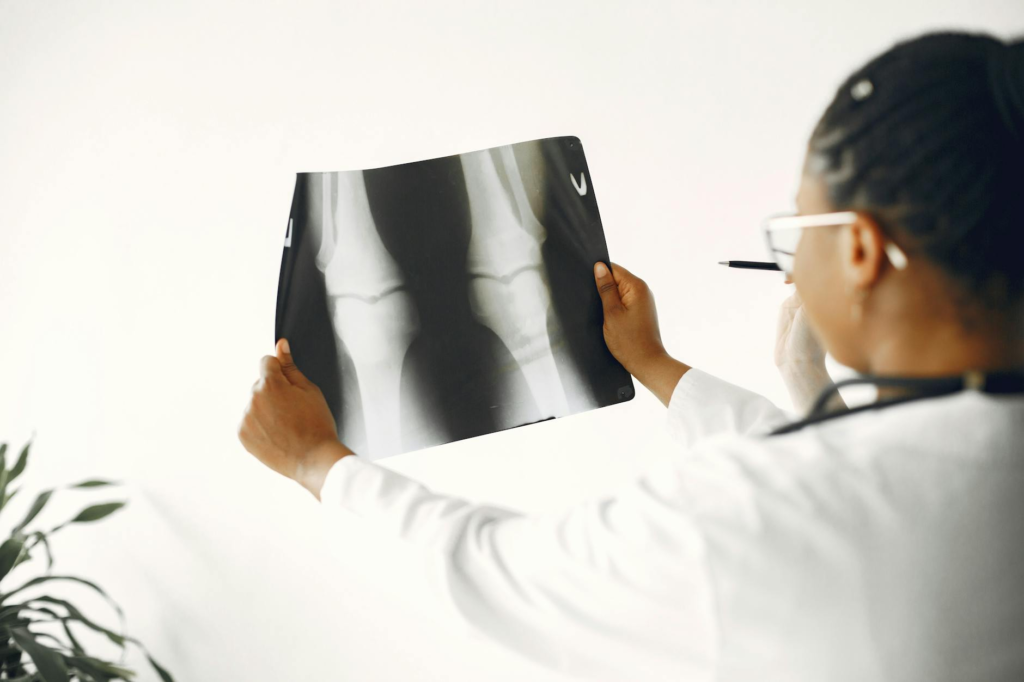
In today’s healthcare landscape, radiology and imaging specialists play an integral role in patient diagnoses and treatment planning. A thorough interview preparation can make the difference between blending into a sea of applicants and standing out as the top pick. With some radiology interview tips like the ones below. By focusing on strategic self-presentation, demonstrating clinical know-how, and illustrating your adaptability, you can position yourself as a compelling candidate for cutting-edge healthcare facilities, both large and small.
Hiring managers often look for experts who not only understand complex imaging technologies but also shine when collaborating with diverse clinical teams. Ultimately, your goal is to convince them you can adapt, innovate, and contribute to patient care excellence. Below, you’ll find key strategies to help you structure your responses, highlight unique experiences, and convey genuine enthusiasm during an interview. Whether you’re seeking a position in a major hospital network or a smaller specialty center, these guidelines will enable you to maximize your impact.
Key Strategies for a Successful Interview
-
Present Concrete Accomplishments That Underscore Professional Expertise
When explaining your experience, be sure to incorporate measurable results and distinctive examples of how you’ve excelled in imaging or radiology settings. Rather than stating you can operate X-ray machines or conduct MRI scans, share details that illustrate the significance of your work. Perhaps you introduced a new schedule to significantly reduce patient wait times, or advocated for advanced screening protocols that caught abnormalities far earlier than typical. Each of these outcomes underscores not only your proficiency but also your drive to improve patient outcomes.
In many organizations, radiology and imaging professionals are expected to manage high patient volumes without compromising accuracy or care quality. Concrete data on how you lowered error rates or enhanced turnaround times shows that you’re solutions-oriented. For example, you might mention implementing a color-coded labeling system to reduce mix-ups in film reading. By weaving in stories that include specific improvements, you establish yourself as a reliable asset.
-
Illustrate a Willingness to Collaborate Using Meaningful Narratives
Radiology and imaging departments frequently interface with multiple teams—such as cardiologists, nurses, administrative personnel, and sometimes external specialists. Discussing cross-functional projects or shared challenges you’ve faced provides a glimpse into your capacity to integrate seamlessly with a variety of professionals. Whether it was a committee formed to accelerate patient discharge processes or an urgent protocol that required immediate communication among separate departments, relaying these stories highlights your readiness to adapt.
Smaller clinics, in particular, relish professionals who can multitask and assume broader responsibilities. In these environments, a single imaging specialist might juggle patient scanning, administrative tracking, and communication with IT for equipment troubleshooting. By sharing narratives about how you partnered with different stakeholders and contributed to unified goals, you highlight your adaptability and readiness to support the facility’s overarching mission.
-
Craft a Concise Yet Powerful Personal Branding Statement
A well-structured self-introduction can guide the rest of the conversation. Instead of reciting your résumé, consider taking 30 seconds to provide a clear overview of your background, skill set, and passion for radiology. For instance, you may open with a statement like, “I’m a diagnostic imaging specialist with hands-on experience in both high-volume hospital settings and tech-savvy outpatient centers, eager to streamline imaging processes for better patient outcomes.”
By weaving in authenticity and genuine excitement about the latest innovations, you create a brand for yourself. This is especially true if you also have a background in information technology—perhaps you used data analytics to optimize scheduling or aided in implementing a Picture Archiving and Communication System (PACS). Let that blend of experiences and insights speak for your ability to foster efficiency. These hybrid strengths can be a game-changer, especially for smaller clinics that do not have the luxury of large, specialized teams.
-
Display Proficiency in Modern Imaging Advances
As radiological tools evolve, professionals who stay current stand out. Medical imaging is regularly revolutionized by new techniques such as functional MRI, 3D ultrasound, and artificial intelligence-based scanning solutions. Sharing real-life scenarios of adopting these innovations demonstrates that you’re tech-savvy and proactive. Perhaps you championed an AI-driven tool that helped detect anomalies more accurately, or you educated team members on how to interpret high-resolution 3D mammograms.
Additionally, if you bridge your expertise in imaging with IT capabilities—like configuring network settings for a seamless flow of digital images—that versatility becomes a major advantage. Healthcare systems large and small aim to minimize downtime and streamline data sharing. By conveying an awareness of how modern technology intersects with patient care, you reinforce your potential to support ongoing improvements and maintain a forward-looking operational environment.
-
Communicate a Thorough Knowledge of Compliance and Safety Standards
Radiation safety, HIPAA regulations, and patient confidentiality are cornerstones of imaging departments. Interviewers will pay special attention to whether you respect patient privacy and safeguard data. Sharing any past accomplishments in monitoring radiation exposure levels or carrying out safety audits can help you stand out. If you introduced protocols that ensured compliance during routine equipment checks or orchestrated refresher courses on data privacy, you convey a dedication to standing firmly behind legal and ethical guidelines.
For tech-focused roles that partner with radiology teams, highlighting your track record of securing sensitive information or mitigating cyber threats demonstrates your grasp of regulatory requirements. Healthcare organizations of all sizes rely heavily on specialists who understand health information technology and can integrate compliance measures with daily operations. By enunciating these abilities, you show that you’re prepared to uphold the highest standards.
-
Stay Abreast of Emerging Industry Trends and Challenges
From pioneering telemedicine tools to real-time collaborative imaging, the field continues to transform at a rapid pace. Express your awareness of how diagnostic imaging has evolved, such as the growing emphasis on predictive analytics or the integration of cloud solutions for streamlined file sharing. Although smaller practices may not immediately adopt every cutting-edge tool, your familiarity signals that you can be an advocate for strategic innovations.
Furthermore, spotlight your adaptability by describing how you’ve approached new challenges. For instance, if you’ve participated in pilot programs exploring advanced image-guided interventions, mention the impact that they had on patient satisfaction or diagnostic speed. Showing that you can connect industry-wide advancements to practical benefits—like better physician collaboration or earlier disease detection—reinforces your credibility and willingness to push boundaries.
-
Illustrate Distinct Advantages for Smaller Medical Establishments
While many radiology professionals dream of working in large hospital systems, smaller clinics and outpatient centers offer unique opportunities. They often rely on nimble imaging experts who can juggle several roles and respond quickly to evolving situations. By explaining how you’ve previously navigated tight staffing schedules or overseen varied imaging tasks in a more intimate setting, you demonstrate versatility.
Emphasize the fact that your diverse background can bolster growth in a resource-limited environment. Whether you negotiated a discounted maintenance contract for imaging devices or cross-trained a fellow colleague to minimize downtime, practical examples of cost-effectiveness will strike a chord. Being proactive and wearing multiple hats is typically the norm in smaller organizations, so showcasing these competencies can make you indispensable to hiring managers eager to do more with less.
In the realm of IT support for radiology departments, underlining the capacity to manage complex software rollouts on a tighter budget also resonates with decision-makers. Smaller institutions appreciate team members who can adopt a problem-solving attitude, reduce software bottlenecks, and optimize costs. By emphasizing that you see challenges as opportunities to sharpen workflows, you can reassure interviewers that you’re prepared to shape a department’s direction.
Next Steps
Together, these strategies demonstrate that your professional caliber is more than a collection of technical skills; it’s a holistic blend of competence, collaboration, adaptability, and technological awareness. Hiring managers look for candidates who can marry patient-centric care with organizational savvy. By underlining your unique contributions and illustrating how you catalyze improvements, you remain at the forefront of a competitive job market.
Global Service Resources takes pride in guiding radiology and imaging professionals toward positions where they can truly excel. By incorporating the interview techniques above—practical examples of achievements, collaborative leadership, a thoughtful branding statement, a focus on innovation, and a keen respect for safety and regulatory standards—you can solidify your role as a highly desirable candidate. Bringing this well-rounded approach to each conversation with a prospective employer demonstrates that you aren’t just seeking a job; you’re ready to become an invaluable partner in patient care and clinical advancement.
