

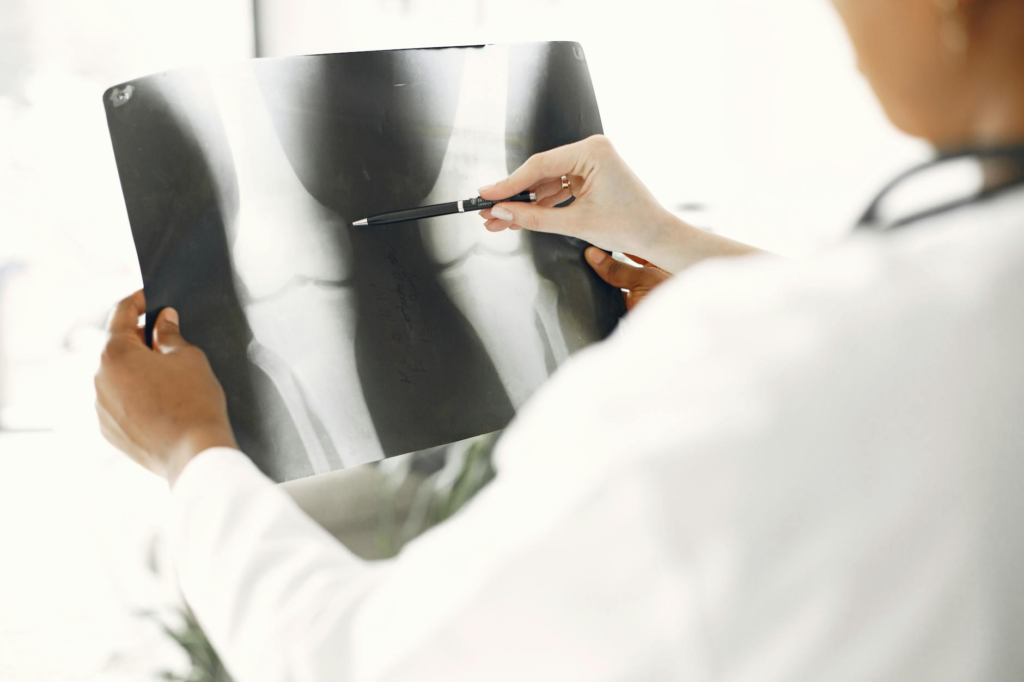
In many facilities, efficient imaging systems provide clinicians with the data they need to make informed diagnoses and initiate timely treatments. Yet establishing a team that can keep pace with today’s medical demands goes well beyond just filling empty positions. It involves thoughtful planning around staffing models, continuous learning, and interdepartmental cooperation to maximize workflow.
Below is a comprehensive look at how structured, flexible, and forward-thinking staffing approaches can strengthen any radiology unit’s performance.
Encourage Multifaceted Collaboration for Consistent Results
One secret to building a thriving radiology unit lies in creating an environment where technologists, radiologists, nurses, and IT professionals share knowledge seamlessly. By working closely, these specialists eliminate communication barriers that might lead to slow turnaround times or scheduling conflicts.
For example, a radiology technologist who is familiar with a radiologist’s interpretation style can tailor imaging protocols in advance, reducing the time spent on repeated scans or image edits. Likewise, radiologists who appreciate how IT underpins image distribution and data storage can work in harmony with system administrators to fine-tune network performance, ensuring images and results are delivered to clinicians right when they are needed.
A culture of openness and mutual respect encourages team members to provide input on workflow optimization or suggest new technologies that improve patient outcomes. This is particularly transformative for smaller centers and rural hospitals, which might lean on staff members who wear multiple hats. When professionals from overlapping disciplines take turns cross-training each other, a single day’s workload can be shared more effectively, preventing bottlenecks. A well-coordinated team also cultivates a workplace that values shared objectives and rewards cooperation—key drivers of job satisfaction and retention.
Implement Strategic Scheduling Practices
Strategic scheduling remains a potent way to maintain steady momentum in radiology, especially when patient volume swings upward. Larger medical systems might run multiple shifts that alternate around the clock, ensuring prompt imaging support for emergency rooms and inpatient services. However, splintering schedules into rotating segments is not the only pathway to success. Smaller facilities can excel, too, by allocating specific hours for distinct imaging needs.
For instance, assigning morning sessions strictly for routine outpatient diagnostics can help reduce patient congestion and guarantee that urgent scans are processed later in the day by staff trained in more complex procedures.
Another potent scheduling technique involves overlapping shifts, which limit interruptions when workloads spike. During the late morning, when patient arrivals increase, one team may still be operating while the next group arrives, creating seamless coverage without either crew becoming overloaded. This transitional strategy helps mitigate staff fatigue, protecting both care quality and productivity.
By proactively assessing real-time data on patient flow—perhaps supported by analytics from an integrated health IT system—managers can fine-tune shift structures to meet new demands, secure staff well-being, and uphold consistently high standards of patient care.
Consider Contractor and Per Diem Talent for Flexibility
One major challenge for radiology heads is meeting surges in imaging needs—ranging from holidays to flu seasons—without overburdening permanent team members. Contractor and per diem arrangements answer this dilemma by supplying specialists only when necessary. In practice, an outpatient clinic that experiences regular spikes in MRI requests can hire credentialed MRI technologists on a short-term basis, opening the door to both operational efficiency and cost management.
While hourly rates for contractors might be higher, this investment is often more economical than paying overtime or onboarding additional full-time staff when patient demand later subsides.
In many real-world scenarios, temporary professionals become valuable team players who can share fresh perspectives and innovative ideas. If the arrangement proves fruitful and a vacancy arises, some institutions opt to convert a contractor into a permanent hire. In this sense, per diem and contractor models not only address staffing challenges but also function as potential gateways for discovering expert talent without immediate long-term commitments.
Harness Telehealth and Teleradiology for Greater Reach
Telehealth technologies have significantly transformed patient care, and radiology is no exception. Teleradiology solutions permit off-site specialists to interpret images, collaborate with on-site technologists, or consult with referring physicians in real time. For smaller hospitals that might lack an in-house overnight radiologist or for satellite centers in remote areas, teleradiology provides an indispensable layer of coverage. Costs remain manageable since facilities only pay for services when images are actually read, making it a practical approach to bridging staffing gaps.
In addition, telehealth streamlines the entire continuum of care. By integrating advanced data encryption and secure login portals, even sensitive patient information can be transmitted without compromising confidentiality. This approach not only broadens a radiology department’s ability to manage cases at all hours but also ensures patients benefit from the expertise of radiologists specializing in niche procedures—no matter where that expert may be based. When applied effectively, teleradiology helps dismantle geographical barriers to top-level patient care.
Integrate Radiology and IT for Seamless Operations
Today’s radiology environment depends heavily on digital solutions for capturing and interpreting medical images. Picture Archiving and Communication Systems (PACS), combined with analytics dashboards that track workflow metrics, allow staff to zero in on inefficiencies and quickly share important findings. An integrated approach to radiology and IT helps healthcare businesses adapt to growing data demands, particularly as more imaging exams are done for preventive care or detailed diagnoses.
Ensuring staff are well-versed in these digital tools means they can access images, organize patient reports, and analyze turnaround times with minimal friction. Small to mid-sized facilities might consider designated IT liaisons or specialized recruiting that brings on people who grasp both the clinical and technical aspects of radiology. By bridging medical imaging and information technology, organizations can revolutionize their patient throughput while maintaining stringent data security. This synergy supports more accurate diagnoses, fosters real-time communication, and prevents the operational bottlenecks that often arise from outdated paper-based systems.
Nurture a Culture of Professional Growth
Continuous learning stands as the cornerstone of any high-performing radiology department. Rapid developments in healthcare technology, from new imaging machinery to artificial intelligence diagnostics, create an environment where staff must constantly sharpen their skills. Facilities that sponsor regular training sessions, conferences, or workshops not only expand the capabilities of their team members but also spark curiosity, teamwork, and job satisfaction. Mentorship programs can be highly effective.
Seasoned radiology experts can guide newcomers through both the technical aspects—such as mastering new scanning protocols—and the intangible facets of patient interaction and departmental culture.
When patients notice that staff are proficient, confident, and compassionate, the overall patient experience improves. Moreover, by instilling this type of growth mindset, organizations can reduce turnover costs while cultivating staff who are happier and more motivated. Leadership can further galvanize this culture by rewarding employees who spearhead innovative initiatives that reduce wait times or improve accuracy.
Whether subsidizing certifications or organizing collaborative learning with local university programs, investing in ongoing education is a proven way to maintain a thriving, future-ready team.
Craft a Forward-Looking Approach to Team Composition
Although the day-to-day work in radiology is often urgent and detail-focused, planning for the future ensures long-term resilience. Radiology departments that regularly evaluate their performance metrics—turnaround times, patient satisfaction scores, and team morale—can identify patterns that signal the need to recalibrate staffing strategies. Perhaps certain imaging procedures are growing faster than anticipated, requiring more specialized technicians. Or maybe an uptick in remote patient consultation calls for teleradiology expansions.
Routine reviews of these indicators pave the way for data-driven decisions, ensuring that departments remain well-staffed and poised to deliver high-quality care.
By uniting workforce agility, forward-thinking technology investment, and a genuine commitment to team development, radiology units can thrive even amidst changing market dynamics. Whether a facility is part of a sprawling healthcare network or a smaller community-based practice, consistent adaptation underpins sustained growth.
Thoughtful staffing models create stability, but also foster innovation as teams leverage fresh ideas from short-term hires, telehealth partnerships, and continual education programs. The end result? Precisely the type of department in which patients feel confident about their care, and employees feel empowered to excel.
Next Steps
Building a high-performing radiology department takes more than a singular solution. It involves a holistic approach that blends cross-functional synergy, variable scheduling, strategic contractor use, and incisive IT integrations—combined with a culture that prizes knowledge-sharing. As a longtime staffing leader headquartered in Burbank, California, Global Service Resources understands how these elements work together to create successful healthcare teams. A radiology unit structured around collaboration, modern technologies, and ongoing development not only boosts efficiency; it also elevates patient care, improves staff satisfaction, and positions an organization to tackle tomorrow’s challenges with readiness and confidence.
